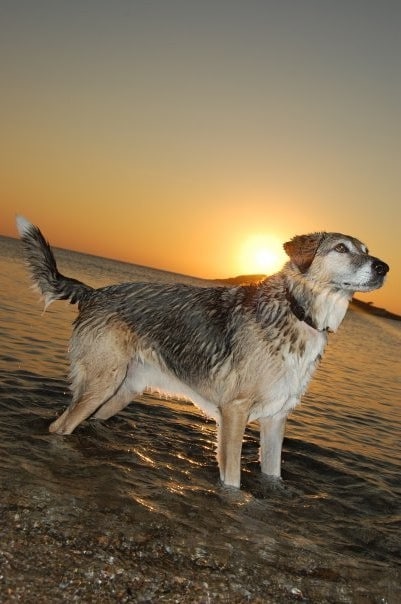
Many owners notice subtle changes in their pets as they get older. Perhaps your dog is slower on walks, reluctant to jump into the car, or stiff when getting up after resting. It’s easy to assume these changes are simply part of ageing, but they can sometimes be early signs of pain, weakness or reduced joint mobility. Pet physiotherapy and veterinary rehabilitation can often help improve comfort and mobility when these changes begin to appear.
At Active Pet we specialise in pet physiotherapy and veterinary rehabilitation, helping dogs and cats stay comfortable and active even when they have arthritis, orthopaedic injuries, neurological conditions or general age-related changes. Arthritis is one of the most common causes of reduced mobility in older pets, and early support can make a big difference to comfort and quality of life. You can find more information about arthritis in dogs at the Canine Arthritis Management website and in cats on the International Cat Care website.
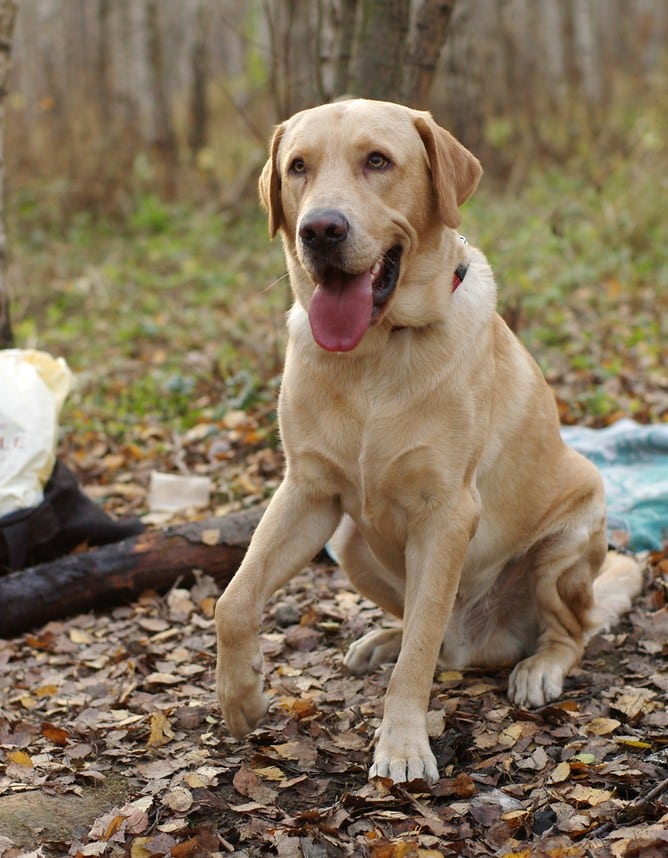
Signs Your Pet May Need Physiotherapy
Some of the early signs we see in pets who benefit from rehabilitation include:
-
Slowing down on walks
-
Stiffness after resting
-
Difficulty with stairs or jumping
-
Limping or favouring a leg
-
Changes in posture
-
Muscle loss or weakness
-
Reluctance to play or exercise
These changes often develop gradually, which is why they can be easy to miss.
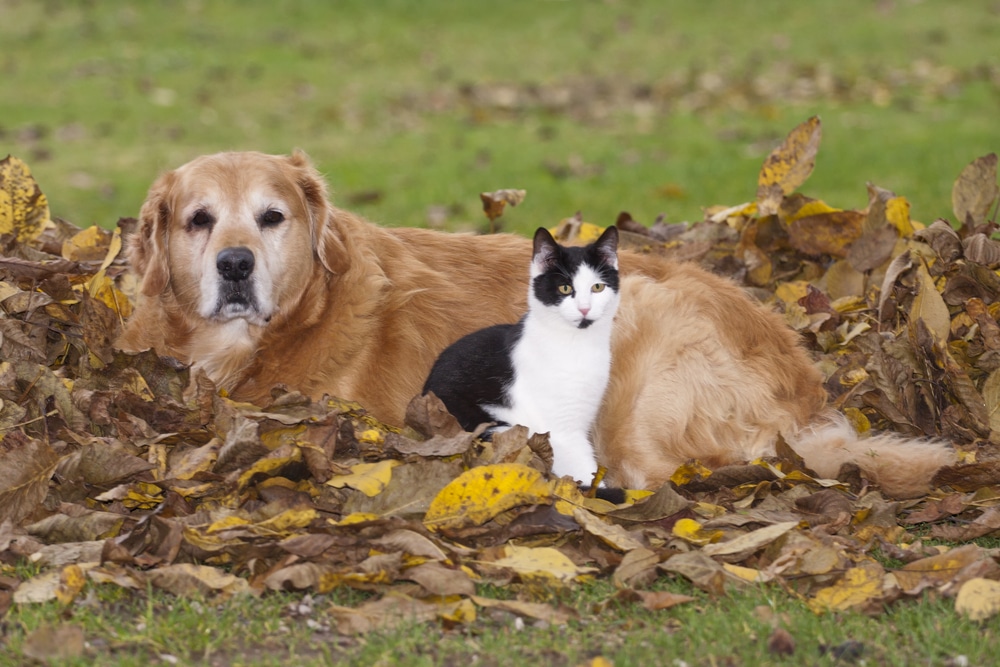
How pet physiotherapy and rehabilitation can help
Veterinary rehabilitation focuses on improving both comfort and movement. Every treatment plan is tailored to the individual pet, their condition, and their lifestyle.
Depending on your pet’s needs, rehabilitation may include:
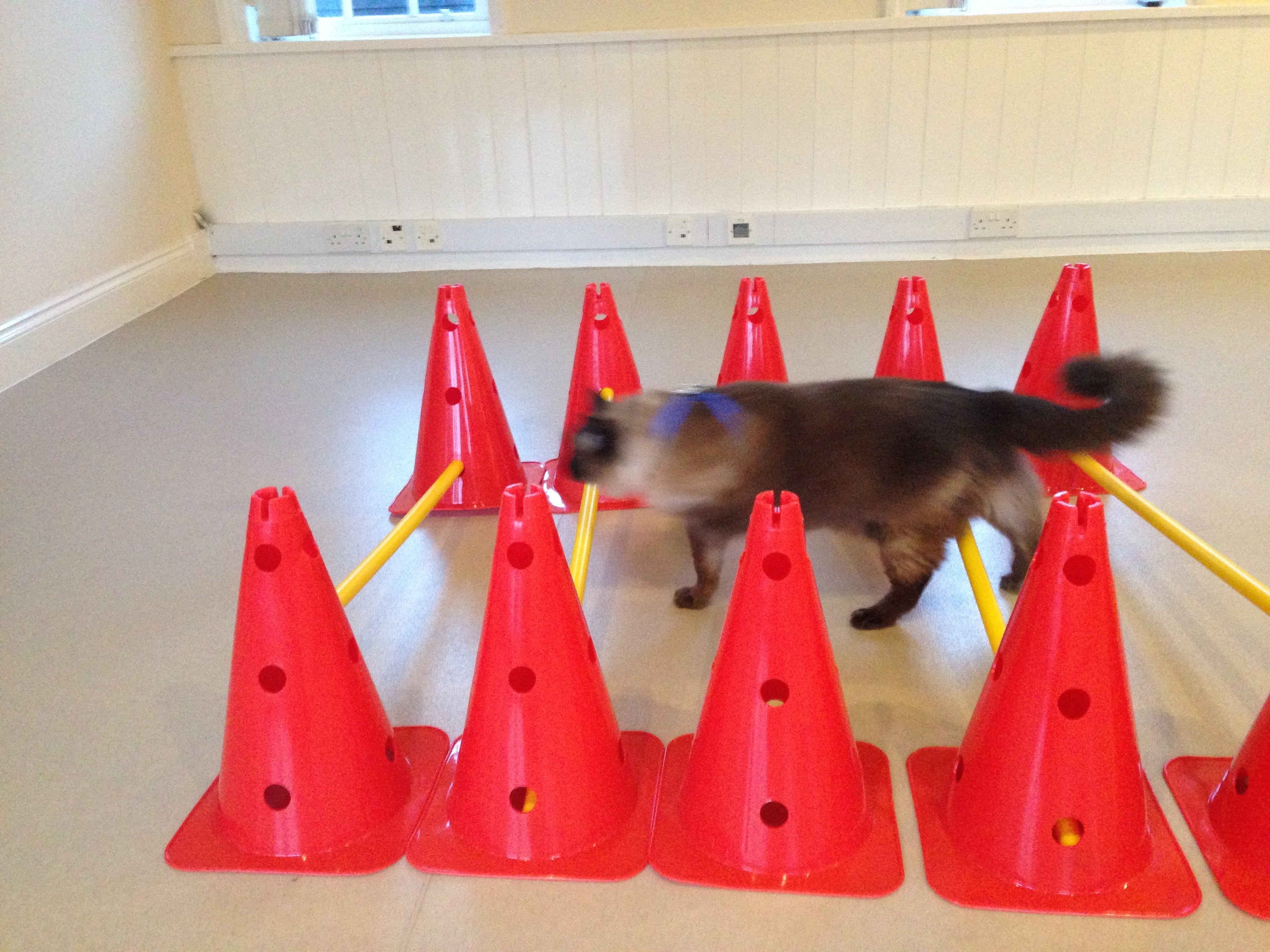
• Physiotherapy exercises to improve strength, balance and stability
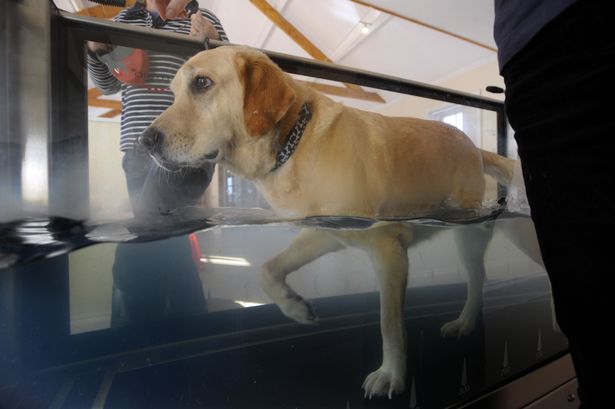
• Hydrotherapy using an underwater treadmill to build muscle with reduced joint strain
• Acupuncture to help manage pain and support the nervous system
• Laser therapy to reduce inflammation and encourage healing
• Individual home exercise programmes to continue progress between visits
By combining different treatments and gradually progressing exercises, rehabilitation can help pets regain confidence in their movement and stay active for longer.
Early Intervention Matters
Many mobility problems develop slowly over time. Pets often adapt to discomfort by shifting their weight, changing the way they move and behave, or reducing their activity levels.
Unfortunately, these compensations can place additional strain on other joints and muscles, which may lead to further problems if left unaddressed.
Early intervention can make a big difference, and pet physiotherapy can help support strength, mobility and comfort before problems become more severe.
Regular reassessments can also ensure that treatment plans continue to meet your pet’s changing needs as they age.
When Should You Seek Advice?
If you have noticed changes in how your pet moves, it may be worth having them assessed. Rehabilitation can help pets recovering from surgery or injury, but it is also very beneficial for managing long-term conditions such as arthritis, improving mobility in older pets, and supporting pets with neurological conditions.
An assessment for pet physiotherapy can help identify ways to improve your pet’s comfort, movement and overall quality of life.
At Active Pet, we assess each animal individually and develop a treatment plan designed to improve comfort, mobility and overall quality of life.
If you would like to find out whether rehabilitation could help your pet, please feel free to get in touch with the clinic to discuss your pet’s needs.
Our aim is simple: to help put the spring back in your pet’s step.
If you have noticed changes in your pet’s movement, it may be worth having them assessed. Many mobility problems develop gradually, and early support can make a big difference to comfort, confidence and quality of life. If you would like to discuss whether physiotherapy or rehabilitation could help your pet, please feel free to get in touch with the clinic — we would be very happy to help.
